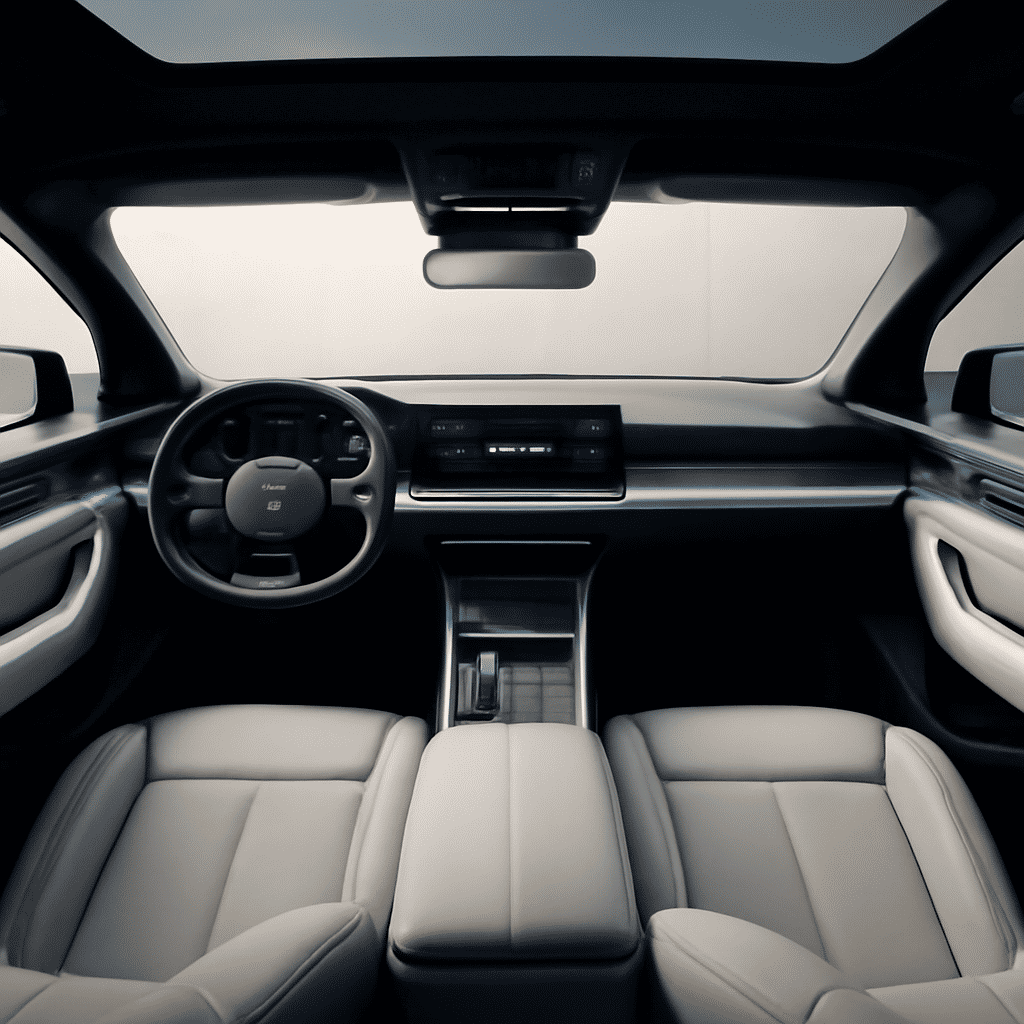
Luxury vehicles have long been synonymous with status, elegance, and unparalleled comfort. However, the journey from their origins to the technological marvels they are today is a testament to the blend of tradition and innovation. Over the decades, the evolution of luxury vehicles has mirrored societal shifts, technological advancements, and changing consumer expectations.
In the early 20th century, luxury automobiles were primarily about exclusivity and craftsmanship. Brands like Rolls-Royce, Bentley, and Cadillac set the standards with hand-built design, plush interiors, and bespoke customization options. Cars from this era were more than just a mode of transportation; they were a reflection of the owner's identity and prestige.
As the automobile industry progressed post-World War II, mass production techniques began to influence luxury car manufacturing, allowing for greater accessibility without sacrificing individuality. The 1950s and 60s saw brands like Mercedes-Benz and Jaguar introducing vehicles that combined classic elegance with new engineering feats, such as enhanced suspension systems and powerful engines. This era marked the beginning of the race for performance excellence, where speed and handling became just as important as aesthetics and comfort.
The latter part of the 20th century witnessed a shift towards technological innovations. The oil crises of the 1970s pushed manufacturers to rethink fuel efficiency, while the burgeoning tech revolution of the 1980s and 90s introduced features that would become standard in modern luxury vehicles. Innovations such as anti-lock braking systems (ABS), electronic stability control, and advanced infotainment systems began to define the luxury vehicle market. Brands like BMW and Lexus rose to prominence, emphasizing performance, reliability, and customer-centric design.
Entering the 21st century, the digital era transformed the luxury automobile landscape even further. Connectivity became a focal point, with manufacturers integrating advanced navigation systems, Bluetooth connectivity, and internet access. Tesla, a newcomer, disrupted the industry with its electric luxury vehicles, accelerating the shift toward sustainable driving solutions. The Model S not only demonstrated that electric cars could rival their gasoline counterparts in performance but also introduced features like Autopilot, setting new benchmarks for innovation in the luxury segment.
Today's luxury vehicles are an amalgamation of cutting-edge technology and sustainable practices. Innovations such as autonomous driving capabilities, augmented reality dashboards, and advanced driver-assistance systems (ADAS) continue to push the envelope of what luxury automobiles can offer. Moreover, eco-conscious consumers are driving a push towards hybrid and fully electric models, ensuring luxury no longer comes at the cost of environmental responsibility.
In recent years, the concepts of luxury have expanded to include experiential elements and personalization. Manufacturers are now focused on creating holistic experiences that cater to individual preferences, providing unprecedented levels of comfort through innovations like climate-controlled seats, ambient lighting, and intelligent personal assistants.
The future of luxury vehicles is poised to be even more transformative with the advent of artificial intelligence and quantum computing, paving the way for unprecedented levels of customization and seamless integration of automotive technology with the Internet of Things. As urban mobility continues to evolve, luxury vehicles will likely redefine their roles, focusing on providing not just a means of transportation, but an extension of the owner's lifestyle and preferences.
In conclusion, the evolution of luxury vehicles from hand-crafted masterpieces to technologically advanced marvels reflects a broader narrative of innovation, adaptation, and anticipation of future trends. Whether through cutting-edge technology, sustainable practices, or personalized experiences, luxury automobiles continue to captivate and inspire, ensuring their status as both a symbol of success and a beacon of future possibilities.